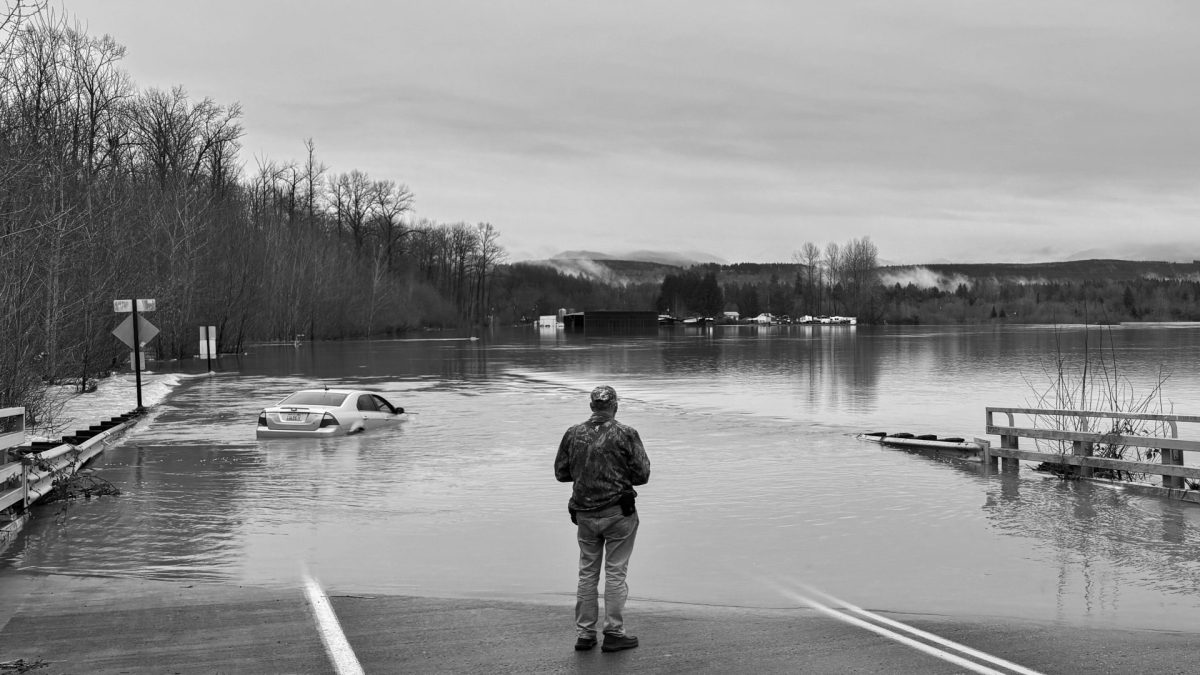
Last week western Washington and northwest Oregon fell victim to flooding brought on by an atmospheric river, a meteorological phenomenon that transports vast amounts of water vapor around the atmosphere. This resulted in unprecedented amounts of rainfall afflicting residents in both states. People living in areas around rivers or close to sea level dealt with flooding on a scale many had not seen before.
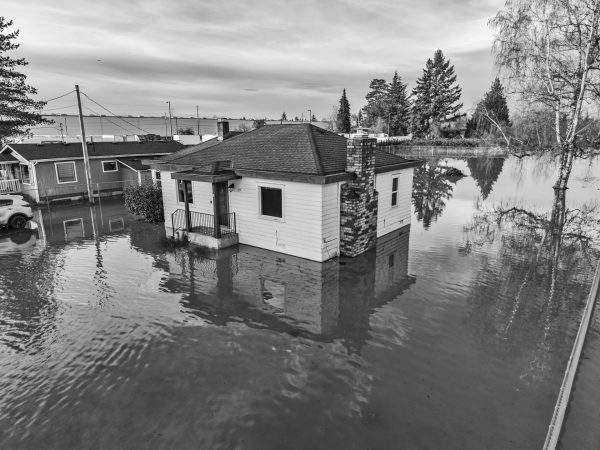
Tens of thousands of Washingtonians, especially those who reside in the Skagit Rivers historic flood plain were advised to evacuate due to the extreme flooding in the area. A resident of La Conner speaks of his experience returning from an evacuation to Tacoma. “We came back to our town after three days, despite no lift to the evacuation order. Our town seemed safe, but along the way we saw farm devastation, flooded roadways, dangerous rainfall for driving, and spectators looking at the record-high Skagit, Nooksack, and surrounding rivers.” Many homes, businesses, and farms will be subjected to water damage unseen for over a decade in Washington.
Washington’s economy will likely face major disruption as a result of the flooding. Many members of the workforce will find trouble commuting to their places of work as a result of the flooded and damaged roads. Important transportation hubs such as State Route 9, Highway 2, and Highway 12 were shut down in some places due to the flooding. In addition to transportation issues, local businesses facing damage or inability to operate will cost Washington’s economy millions every day the floods remain in effect.

While the floods did have a devastating effect on the community, both national and local government entities have made a respectable effort towards helping the community recover. On the 10th, Governor Ferguson declared a state of emergency, summoning Washington’s national guard to assist in the relief of those affected by floods. In addition, president trump granted a request to declare a federal emergency in the state of Washington. Fairgrounds, churches, and more are hosting evacuation centers around Washington for those forced to leave their properties by the flooding.
The same La Conner resident noted the significance of the government’s action, stating that “If it weren’t for the massive flood wall constructed by the government in the years prior, and the sandbagging efforts and volunteers from across the state, countless lives, businesses, property and homes were saved by a decisive understanding of how to protect our local communities from natural disasters.” The combined efforts of local government and volunteer workers undoubtedly had a profound impact on the impact of this natural disaster.