You’ve probably heard the names Renée Good and Alex Pretti a lot in the media the past few weeks. This isn’t surprising, after both Americans citizens were shot and killed in broad daylight. It’s important to note that neither of these people posed a threat to Immigration and Customs Enforcement. Renée Good said “That’s fine, dude. I’m not mad at you” moments before being shot three times. Alex Pretti was recording agents with his phone before being pinned to the ground and shot in the back. This level of violence towards American citizens is shocking and unprecedented to most, but is it really a new occurrence? Or just the latest instance of a long history of state sponsored violence against civilians in the US.
Another American who fell victim to violence via federal agents was Fred Hampton. In the late 1960s the Black Panther Party was a mighty force of social justice. The organization served as a political and militant organization to combat discrimination in the US and promote black power. Many major cities in the US had chapters, and even a few international chapters were in action. One of the key members of the organization was Hampton. His work in Illinois brought together several activist groups such as the Young Patriots and the Young Lords. The Black Panther Party along with these groups tackled issues like poverty, police brutality, corruption, and standardized housing. The coalition these groups formed was a powerful force of class consciousness in the 1960s.
During this time period, the FBI had kept close tabs on Hampton as part of a larger goal at the time to prevent the formation of a structured Black movement in the US. On December 4, 1969, the FBI raided Hampton’s apartment. A heavily armed police team entered the building in the early morning hours and upon reaching Hampton’s apartment, fired more than ninety bullets into his bedroom. At the time Hampton was unconscious, laying in bed with his pregnant fiancée. While they both survived the initial onslaught, police officers took Hampton to another room and executed him with two gunshots to the head.
Government sponsored executions like Renée Good and Alex Pretti are nowhere near unique occurrences. Without even mentioning the multitude of unnecessary civilian deaths overseas, this has been happening for many decades.
The high amount of media coverage given to Good and Pretti’s deaths compared to many other similar examples is revealing of a tendency of media in the US to amplify white victims stories, while suppressing examples of minorities like Hispanic or Black people who have undergone similar circumstances.
Keith Porter Jr was a 43 year old father of two, shot by an off duty ICE officer on new years eve in 2025. A Department of Homeland Security statement alleged that the off duty officer was forced to defensively fire his weapon due to an active shooter situation, but both family members and local activists offer an opposing portrayal of the situation, arguing that Porter had just been celebrating the new year.
While local politicians and civilians have spoken out about Porter’s death, he and many other deaths have been massively underreported compared to Good and Pretti. At least 32 people died in ICE custody in 2025, most not receiving in-depth investigations or conclusive answers about the circumstances of death, and some even being determined to likely be a homicide. One example of this is Geraldo Lunas Campos, whose death was ruled as a homicide by a medical examiner. Witnesses residing at Camp East Montana even reported seeing multiple guards on top of Campos choking him before he lost consciousness. His death, which left behind four children, is another instance of an ICE related death that received significantly less media coverage than other white examples.
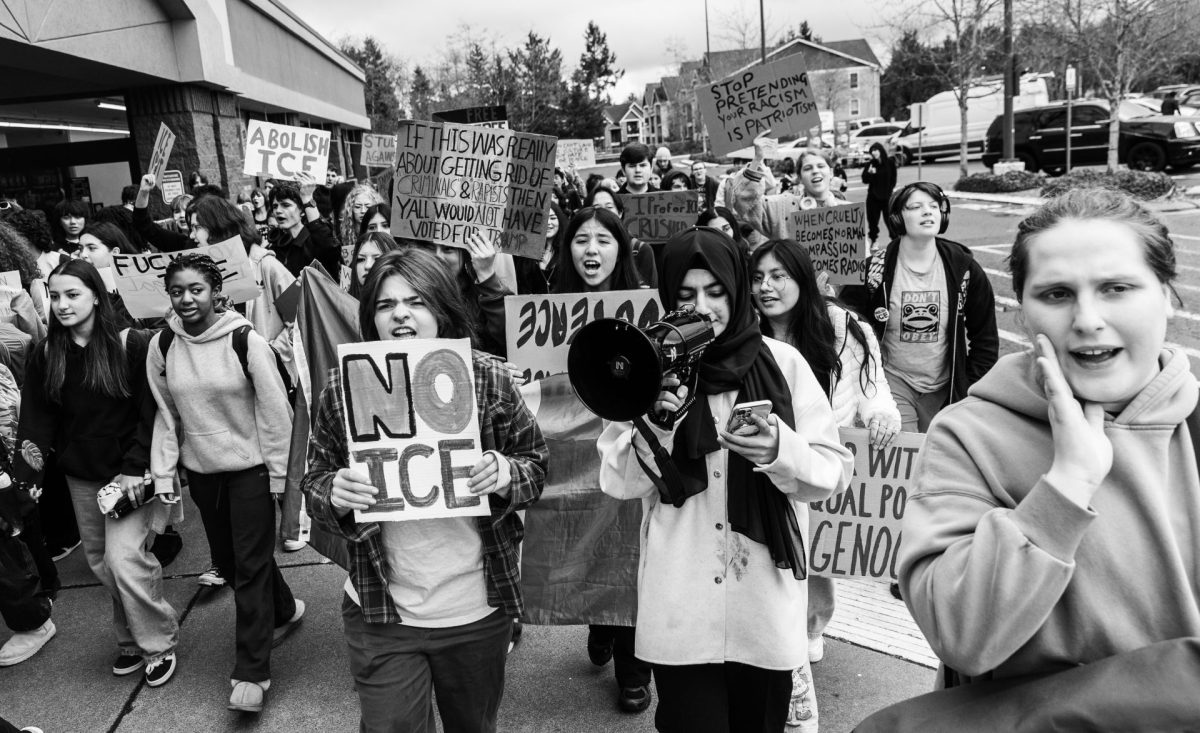
This tendency of major news outlets and voices to suppress people of color while amplifying white voices and stories is significantly detrimental to communities all over the US. Seeking out and bringing awareness to comparatively underreported stories such as those mentioned above is an important step to combatting oppression by federal agents in the US.