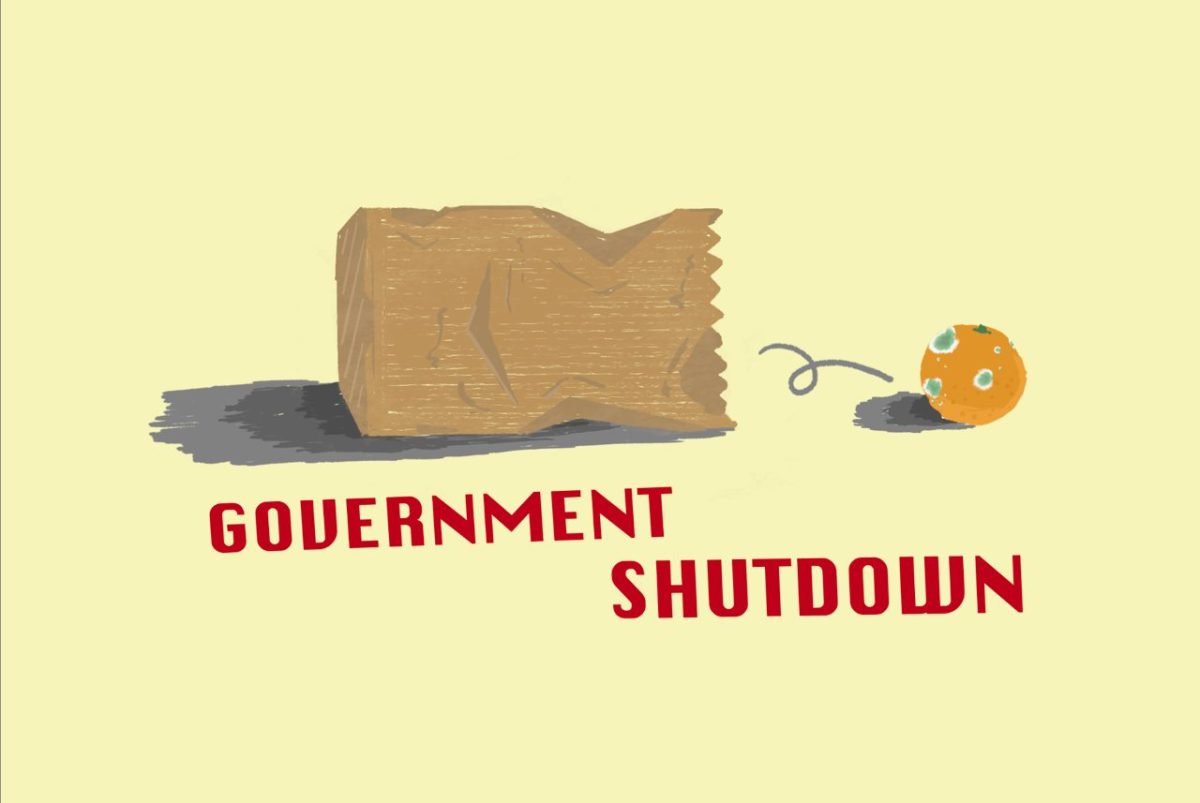
In late 2025, the United States experienced the longest federal government shutdown in its history, stretching from Oct. 1 to Nov. 12, totaling 43 days. This shutdown brought to attention the many ways federal funding gaps can ripple across society, affecting everything from federal workers’ paychecks to essential social safety-net programs like the Supplemental Nutrition Assistance Program, otherwise known as SNAP. When the crisis finally concluded with a funding bill signed by President Donald Trump, it left citizens questioning America’s social support systems, the role of government in people’s lives, and political polarization.
At its core, a government shutdown happens when Congress fails to enact bills or a continuing resolution to fund federal operations before the new fiscal year begins. In 2025, despite several attempts, lawmakers in the House of Representatives and Senate could not agree on a funding package by the constitutional deadline of Sep 30. The divide was driven by a debate over healthcare subsidies under the Affordable Care Act, which specifically enhanced premium tax credits that help millions of people afford health insurance. Democrats urged that any funding agreement include an extension of these subsidies, which were set to expire after the COVID-19 pandemic. Republicans, meanwhile, argued that the issue should be resolved separately from government funding and resisted tying the subsidies to the budget bill. The stalemate persisted through multiple failed votes, forcing many parts of the federal government to shut down.
Once the shutdown began, the consequences were swift and widespread; thousands of federal workers were temporarily let go without pay, while others were deemed essential and required to work without compensation until the shutdown ended. The economic effects were also nearly immediate: missed paychecks reduced consumer spending and depressed local economies, especially those with lots of federal workers in the area. By the time the shutdown ended, the Council of Economic Advisers estimated that billions of dollars were lost in wages and slowed economic activity
Throughout this, essential services, such as national defense, law enforcement, and programs like Social Security, Medicare, and Medicaid continued, although less efficiently, through the shutdown. However, many other programs stopped or grew severely slow, including National Parks, visa and passport processing, and checks by the National Food and Drug Administration were greatly delayed. The Federal Aviation Administration even mandated flight cuts at major airports due to air traffic controller shortages, prompting investigations in the shutdown’s aftermath.
Amongst the most concerning impacts of the shutdown was its effect on SNAP benefits- America’s social safety net that provides food-buying assistance to low-income individuals and families. Normally, SNAP benefits are funded through the federal government, and assist people without much issue. However, during the shutdown, SNAP benefits were delayed, reduced, and left in limbo for 42-43 million Americans and were eventually almost fully reduced by November 1st, though some partial payments were made. The pause in benefits created food insecurity for multiple vulnerable groups, such as children, the elderly, and disabled folks who rely on the system, putting pressure on not only the individuals but also food banks and community organizations to provide ample sustenance.
The shutdown ultimately ended when Congress passed a continuing resolution to fund the government through January 30, 2026, signed by President Trump on November 12 after weeks of intense negotiations and political pressure. The package also included funding for departments like Agriculture and the FDA, ensuring that SNAP benefits would be funded moving forward and that federal employees would receive back pay for time missed during the shutdown.
However, the political dispute that caused the shutdown, particularly around healthcare subsidies and broader budget priorities, remains unresolved. In December, the Senate rejected a proposal to extend the ACA premium tax credit, meaning that millions of Americans could face higher health insurance premiums in 2026. The deepening divides between parties allude to future budget battles that may happen in the future as the end of the continuing resolution approaches its end once again.